
What Equipment is Needed to Play Pickleball?
Pickleball is one of the fastest-growing sports in the world because it’s easy to learn, affordable to start, and enjoyable for players of all ages. Unlike tennis, you don’t need expensive gear or years of experience to begin. With just a few essential items, you’ll be ready to step onto the court.
Essential Pickleball Equipment
To play pickleball, you only need a few basic items:
- Pickleball paddle
- Pickleballs
- Pickleball court
- Net
- Comfortable athletic shoes
Everything else is optional but can improve your comfort and performance.
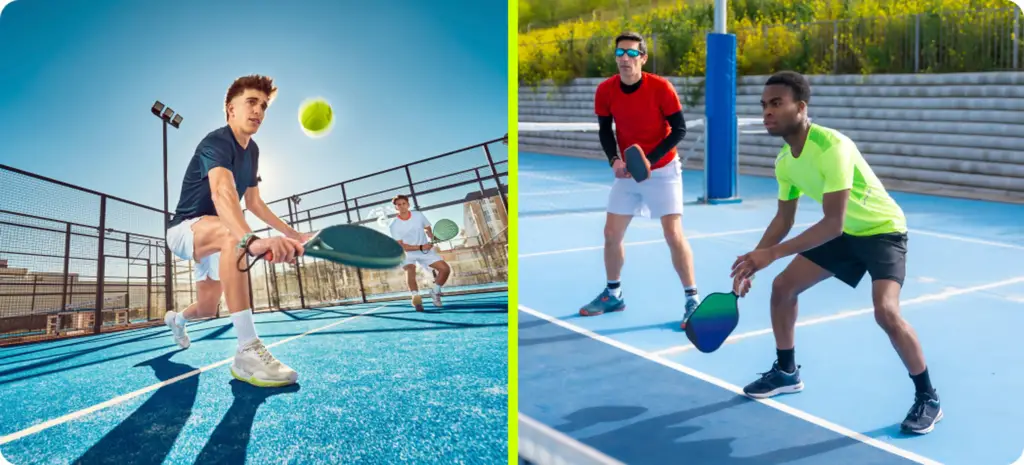
1. Pickleball Paddle
The paddle is the most important piece of equipment you’ll own.
Unlike tennis rackets, pickleball paddles are solid rather than strung.
Modern paddles are made from materials such as:
- Graphite
- Carbon fiber
- Fiberglass
- Composite materials
- Wood
Wood Paddles

Pros
- Good for beginners or schools
- Durable
- Lowest cost

Cons
- Heavy
Less power - Less control
Best for:
- Casual play
- Community centers
- Budget-conscious players
Composite Paddles
Pros
- Affordable
- Moderate weight
- More spin
- Better control
Cons
- Slightly heavier than premium options
Best for:
- Intermediate players
Graphite Paddles
Pros
- Comfortable
- Excellent touch
- Fast reactions
- Lightweight
Cons
- More expensive
Best for:
- Competitive players
- Players who value precision
Carbon Fiber Paddles
Pros
- Premium construction
- Large sweet spot
- Exceptional spin
- Maximum control
Cons
- Highest price
Best for:
- Advanced players
- Tournament competition
Paddle Weight
Paddles generally fall into three categories.
Lightweight (under 7.3 oz)
Advantages:
- Faster reactions
- Easier at the net
- Less arm fatigue
Disadvantages:
- Less power
Ideal for:
- Beginners
- Players with elbow or wrist issues
Midweight (7.3–8.4 oz)
The most popular choice.
Offers an excellent balance of:
- Power
- Control
- Maneuverability
Recommended for most players.
Heavyweight (over 8.5 oz)
Advantages:
- Powerful shots
- Strong drives
Disadvantages:
- More arm fatigue
- Slower reactions
Usually preferred by aggressive players.
Paddle Grip Size
Grip size affects comfort and control.
Common grip sizes:
- 4 inches
- 4.125 inches
- 4.25 inches
- 4.5 inches
A grip that’s too large can reduce wrist movement, while one that’s too small may require extra grip tape.
2. Pickleballs
Not all pickleballs are the same.
There are two main types.
Indoor Balls
Features:
- Larger holes
- Softer plastic
- Slower flight
- More control
Perfect for:
- Gym floors
- Indoor courts
Outdoor Balls
Features:
- Smaller holes
- Harder plastic
- More durable
- Handles wind better
Perfect for:
- Asphalt courts
- Concrete courts
Outdoor balls are the most commonly used.
Ball Color
Popular colors include:
- Yellow
- Neon green
- Orange
- White
Bright colors improve visibility.
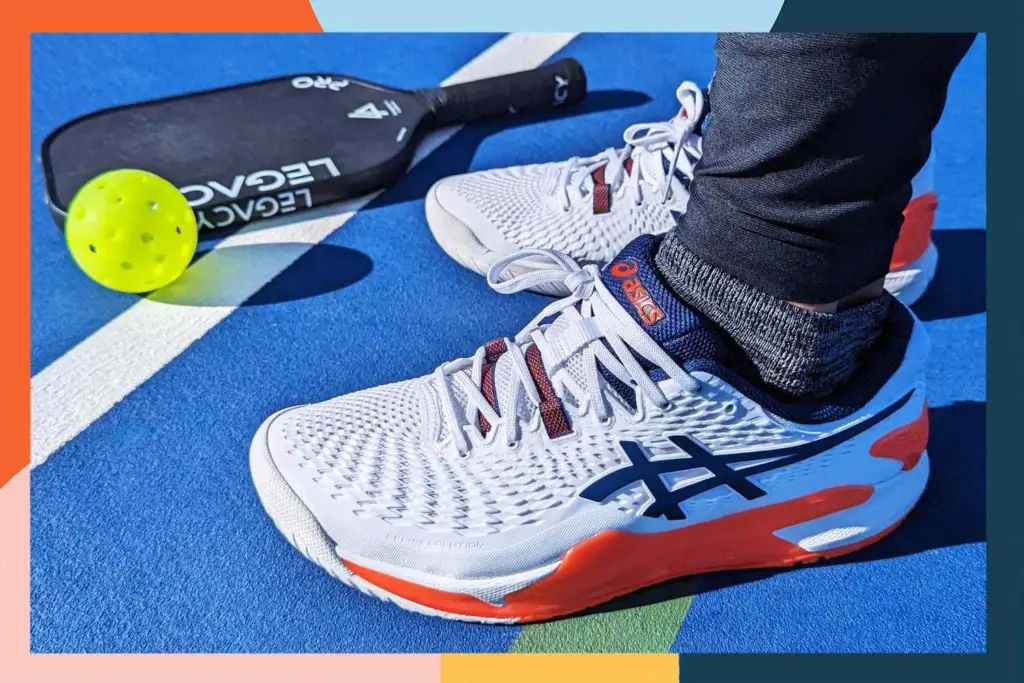
3. Pickleball Shoes
Good footwear is one of the most overlooked pieces of equipment.
Court shoes provide:
- Better grip
- Lateral stability
- Injury prevention
- Improved comfort
Avoid using:
- Running shoes
- Hiking shoes
- Casual sneakers
Running shoes are designed for forward movement rather than the quick side-to-side movements common in pickleball.
4. Pickleball Court
An official pickleball court measures:
- 20 feet wide
- 44 feet long
The court includes:
- Baselines
- Sidelines
- Kitchen (Non-Volley Zone)
- Service courts
- Centerline
Many tennis courts are now lined for pickleball as well.
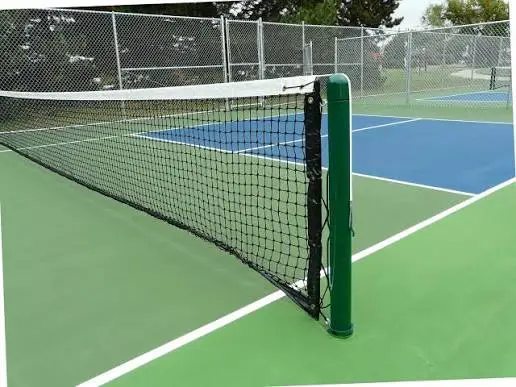
5. Pickleball Net
Official net dimensions:
- 36 inches high at the sidelines
- 34 inches high at the center
Portable nets are popular because they can be set up almost anywhere.
Optional Pickleball Equipment
While not required, many players eventually purchase additional gear.
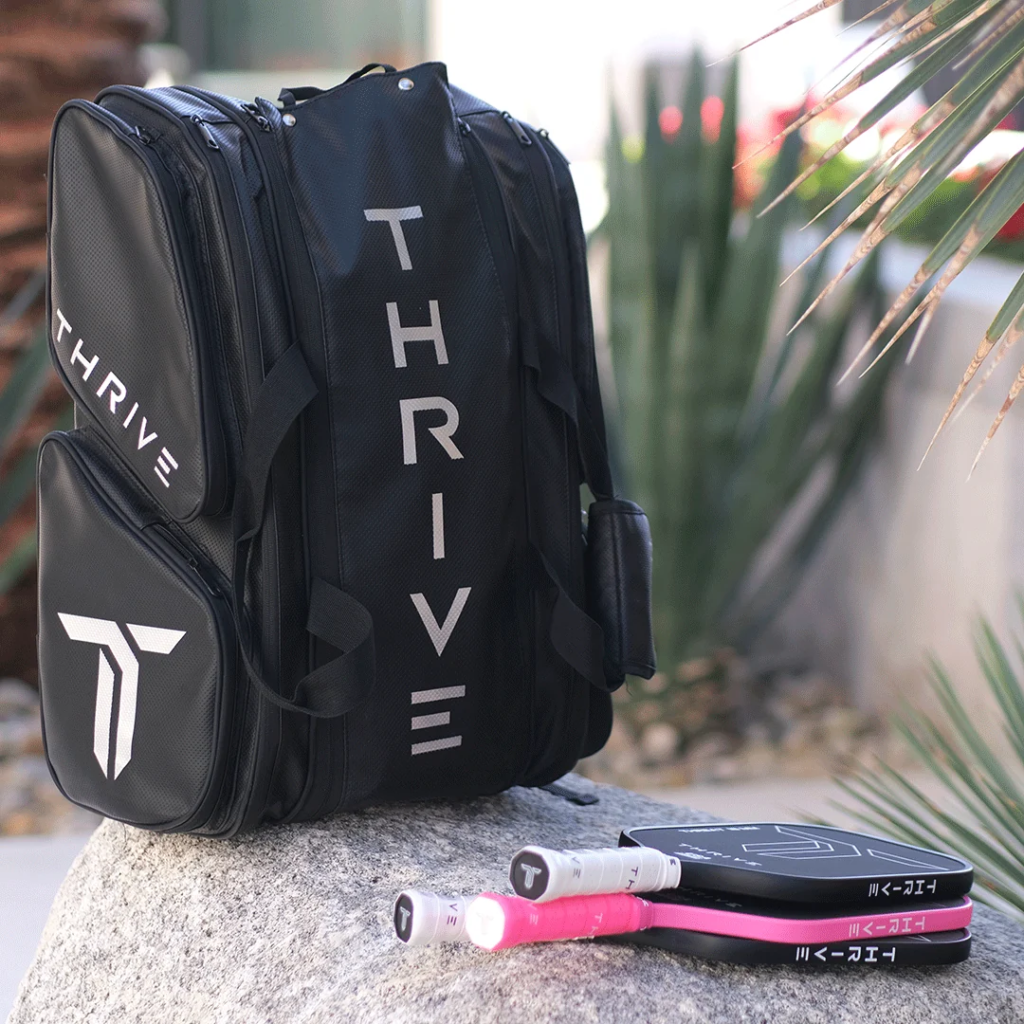
Pickleball Bag
A dedicated bag keeps everything organized.
Many bags include:
- Paddle compartments
- Shoe storage
- Ball pockets
- Water bottle holders
- Fence hooks
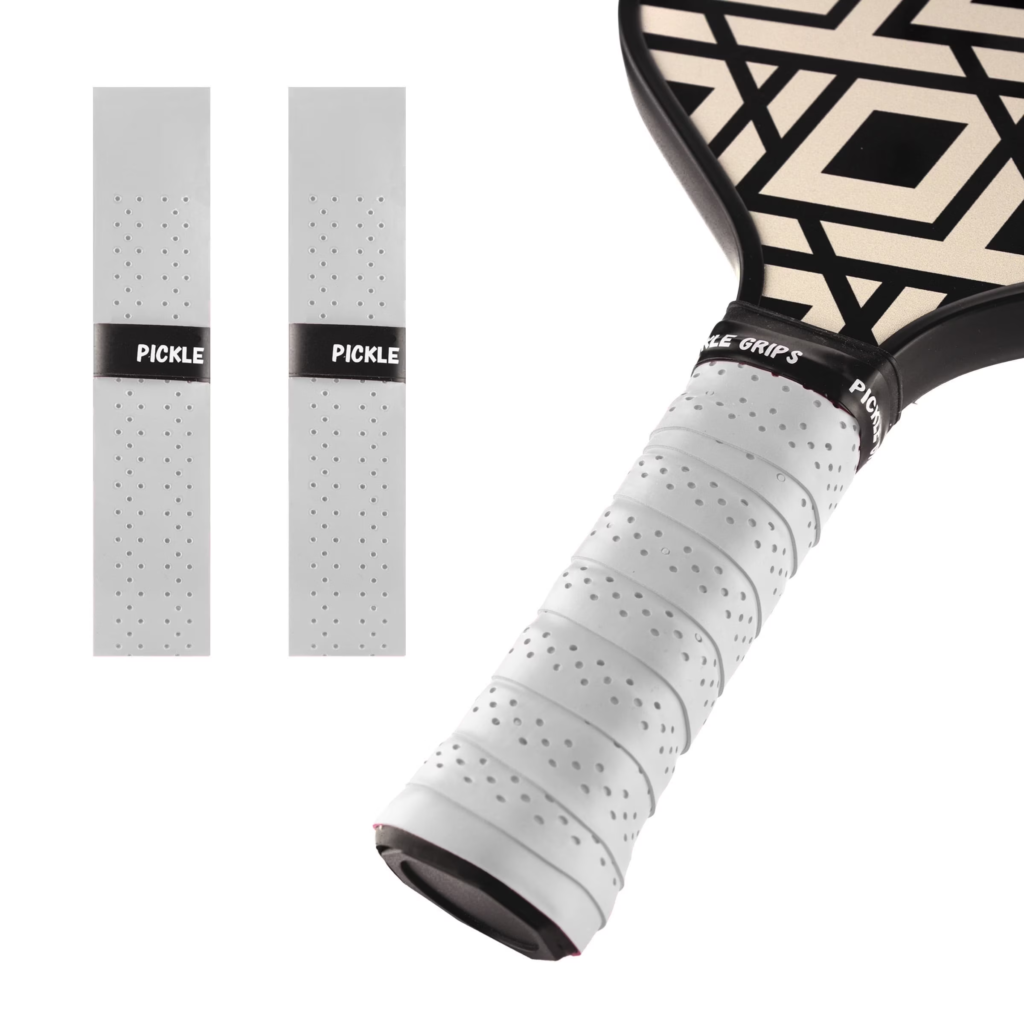
Grip Tape
Replacement grips improve:
- Comfort
- Sweat absorption
- Paddle control
Overgrips are inexpensive and easy to replace.
Protective Eyewear
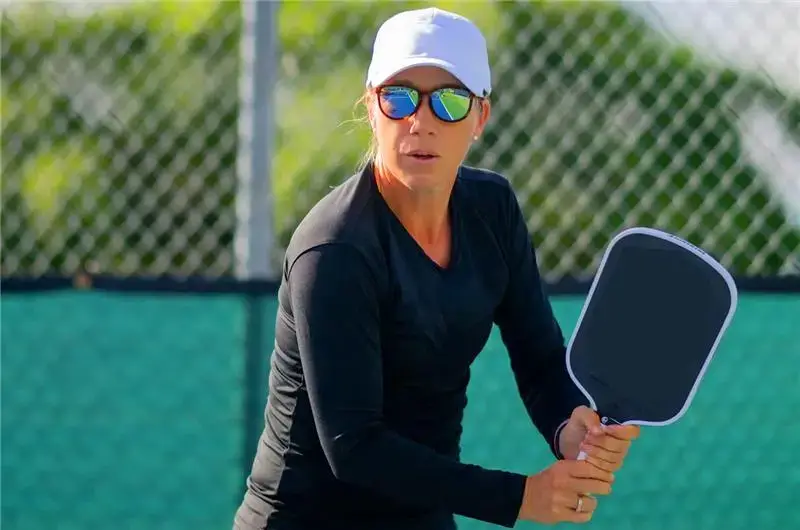
Eye protection is becoming increasingly common, especially in doubles play where fast volleys occur close to the net.
Protective glasses can prevent serious eye injuries.
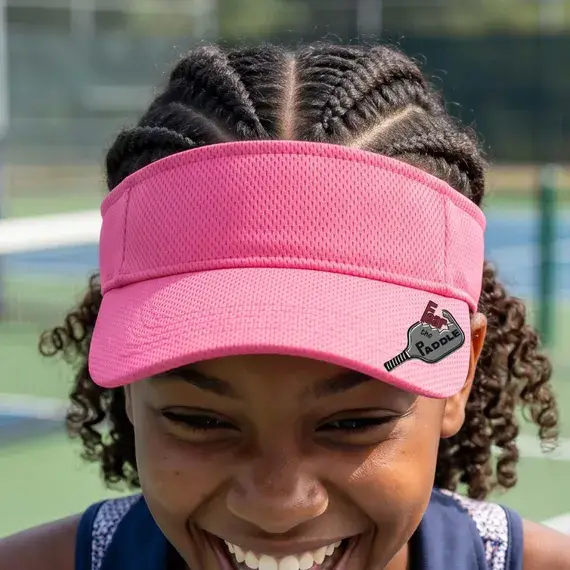
Hat or Visor
Helpful for:
- Sunny weather
- Sweat control
- Better visibility
Sunscreen
Outdoor players should use sunscreen to protect against UV exposure during long matches.
Sweatbands
Useful in hot conditions for keeping hands dry and maintaining grip.
Water Bottle
Hydration is essential, particularly during summer play.
Beginner Equipment Checklist
If you’re just starting, here’s all you really need:
- One quality paddle
- Three outdoor pickleballs
- Court shoes
- Athletic clothing
- Water bottle
Many recreation centers even provide paddles and balls for first-time players.
Intermediate Equipment Checklist
As your skills improve, consider adding:
- Higher-quality paddle
- Pickleball bag
- Extra balls
- Overgrips
- Protective glasses
- Court towel
Advanced Equipment Checklist
Competitive players often carry:
- Two or more paddles
- Multiple outdoor balls
- Tournament bag
- Lead tape for paddle customization
- Protective eyewear
- Cooling towel
- Backup grips
- Portable paddle eraser for carbon fiber paddle maintenance
How Much Does Pickleball Equipment Cost?
Typical price ranges:
| Equipment | Budget | Premium |
|---|---|---|
| Paddle | $20–50 | $150–300+ |
| Balls (3-pack) | $8–15 | $12–20 |
| Court Shoes | $60–90 | $120–180 |
| Bag | $25–50 | $80–180 |
| Protective Glasses | $15–30 | $50–100 |
Beginners can often get everything they need for around $100–200, while serious players may spend $300–700 or more on premium gear.
Tips for Choosing Equipment
- Start with a midweight paddle if you’re unsure what suits your style.
- Buy outdoor balls unless you’ll only play indoors.
- Invest in quality court shoes before upgrading your paddle.
- Replace worn grips regularly to maintain comfort and control.
- Avoid buying the most expensive paddle until you’ve developed your playing style.
Common Beginner Mistakes
- Buying a paddle that’s too heavy.
- Wearing running shoes instead of court shoes.
- Using indoor balls outdoors.
- Ignoring grip size.
- Purchasing expensive equipment before learning the basics.
READ ALSO: How to choose pickleball bag?

Harry is a freak who often argues that O in his name may well stand for “Obsessed with Pickleball.”
- Best pickleball shoes for women - September 25, 2026
- Why Pickleball Players Forget the Score? - September 1, 2026
- What Equipment is Needed to Play Pickleball? - August 3, 2026