
Best pickleball shoes for women
The best women’s pickleball shoes combine lateral stability, reliable court grip, cushioning, and a secure heel fit. Pickleball involves repeated side-to-side cuts, quick stops, pivots, and short sprints, so ordinary running shoes generally aren’t ideal: running shoes are optimized primarily for forward motion rather than aggressive multidirectional movement.
For 2026, these are the models I’d put at the top of the shortlist.
Quick comparison
| Shoe | Best for | Cushioning | Stability | Weight feel | Foot shape |
|---|---|---|---|---|---|
| ASICS GEL-RENMA 2 | Best all-around/value | High | Excellent | Medium | Medium |
| Skechers Viper Court Pro 2.0 | Comfort & arch support | Excellent | Very good | Medium | Medium/wide |
| K-Swiss Express Light Pickleball | Lightweight all-around play | Good | Very good | Light | Medium/wide |
| Babolat Jet Mach 3 | Speed & aggressive players | Medium | Very good | Very light | Narrow/medium |
| Nike Zoom Challenge Pickleball | Athletic, responsive feel | Good | Very good | Light/medium | Medium |
| adidas Barricade | Maximum stability | Very good | Excellent | Heavier | Medium |
Recent 2026 testing from Women’s Health named the ASICS GEL-RENMA its best overall option, while other current pickleball-focused reviews repeatedly highlight Skechers and K-Swiss among the strongest choices for women. Women’s Health
1. ASICS GEL-RENMA 2 — Best Overall for Most Women
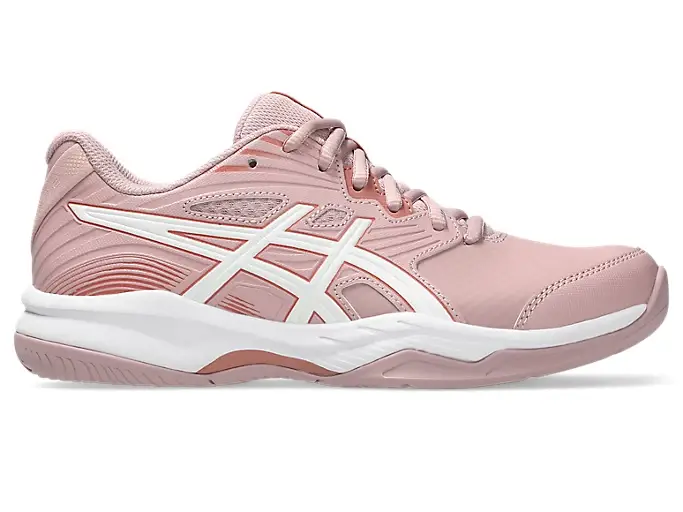
Best for: recreational through competitive players who prioritize stability and cushioning.
ASICS designed the GEL-RENMA line specifically around multidirectional court movement. The current GEL-RENMA 2 uses the brand’s TRUSSTIC stability system to limit excessive twisting, along with a wider wrap-up outsole intended to create a stable platform during direction changes. The upper combines mesh with a no-sew film construction for flexibility.
ASICS currently lists the women’s GEL-RENMA 2 at $100 in the U.S. ASICS

Pros
- The biggest advantage is balance. It isn’t trying to be the lightest shoe on the court or the softest shoe available. Instead, you get a combination of stability, cushioning, flexibility, and predictable court movement.

Cons
- Players who love an extremely lightweight, minimal shoe may find the GEL-RENMA somewhat substantial. The current women’s model also appears primarily in standard width rather than an extensive range of width options. ASICS
Verdict
Great choice for: someone who doesn’t know exactly what style of pickleball shoe she needs yet and wants a safe all-around starting point.
2. Skechers Viper Court Pro 2.0 — Best for Comfort
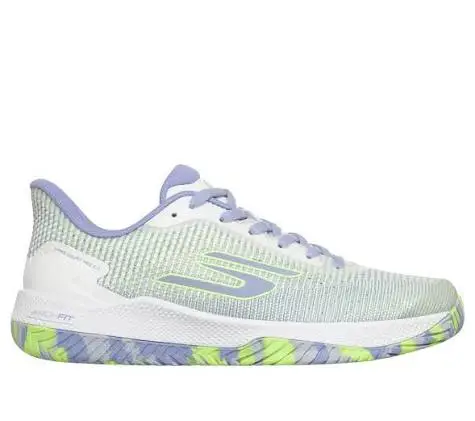
Best for: long playing sessions, players who want more cushioning, and people who appreciate noticeable arch support.
The newest Viper Court Pro 2.0 combines Skechers’ Arch Fit insole with an updated breathable mesh upper and a Goodyear Gold outsole designed for quick stops, starts, and controlled court movement. SKECHERS US
Comfort is where this shoe stands out.
Some performance court shoes can feel stiff when they’re new. Skechers tends to deliver a softer underfoot experience, making the Viper Court Pro particularly attractive for recreational players playing several games consecutively.
Pros
- Excellent cushioning
Supportive Arch Fit footbed
Secure court traction
Comfortable for longer sessions
Generally more accommodating than narrow performance shoes
Cons
- The softer comfort-oriented feel won’t necessarily appeal to players who want an ultra-low, race-car-like connection to the court.
Verdict
If your first priority is keeping your feet comfortable through two or three hours of pickleball, this should be near the top of your list.
3. K-Swiss Express Light Pickleball — Best Lightweight Everyday Shoe
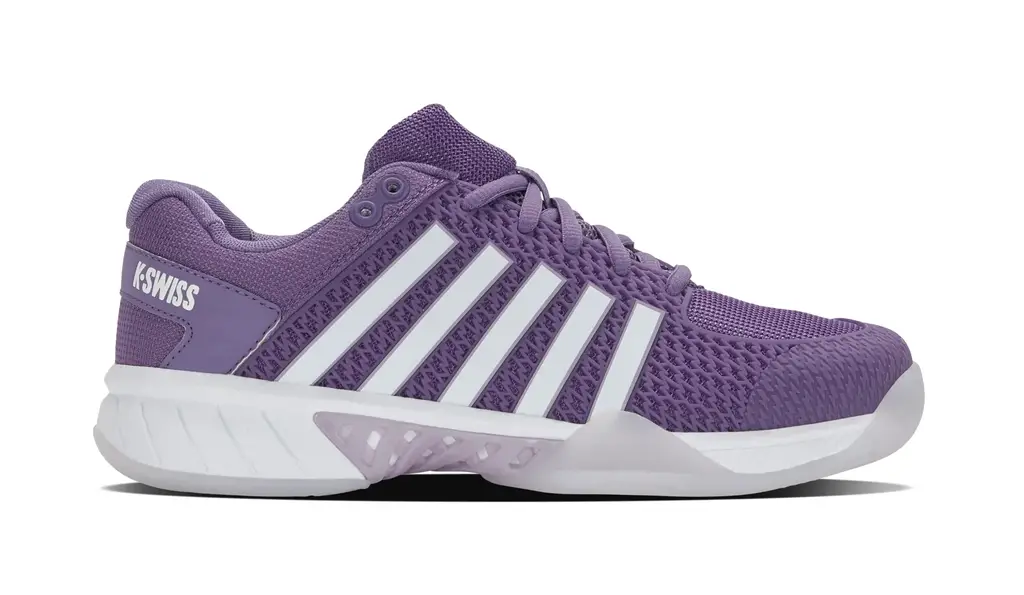
Best for: recreational and intermediate players who want a lighter court shoe.
The Express Light has been one of the most frequently recommended women’s pickleball shoes because it strikes a useful middle ground between stability and speed.
Current 2026 width-focused research also identifies K-Swiss’s Express Light Pickleball 2 as one of the stronger choices for women needing more width flexibility. gearscouted.com
Pros
- Lighter feel than many heavy-duty tennis shoes
Good lateral platform
Comfortable for recreational play
Better choice for wider feet than many narrow performance models
Specifically positioned toward pickleball
Cons
- Players who destroy outsoles quickly or demand maximum structural support may prefer a heavier shoe.
Verdict
A very strong option for someone who wants a court shoe that feels more like a comfortable athletic sneaker.
4. Babolat Jet Mach 3 — Best for Speed
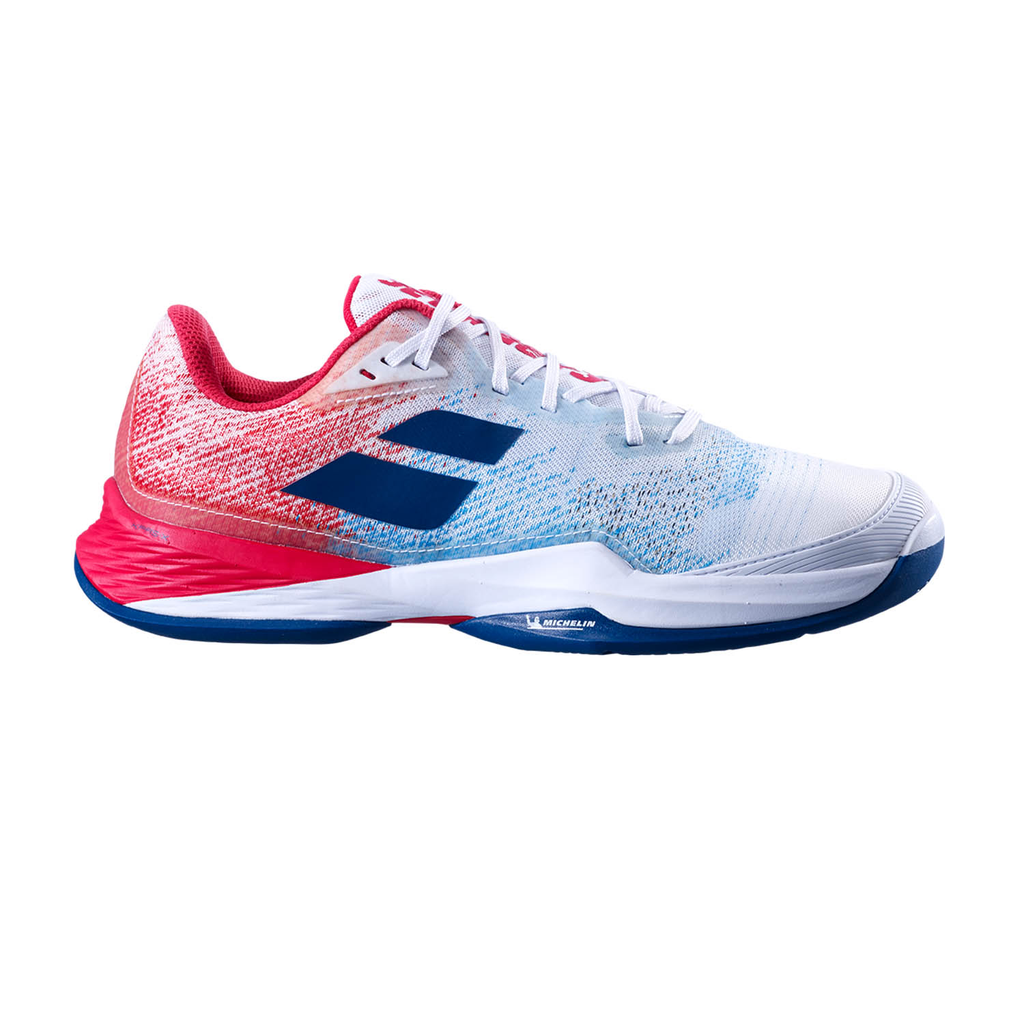
Best for: fast, aggressive players with narrower or medium-width feet.
The Jet Mach 3 originates from high-performance tennis, but its characteristics translate extremely well to pickleball: low weight, excellent responsiveness, and a closely wrapped upper.
It has also appeared in current women’s pickleball recommendations specifically for players prioritizing lightweight movement. Pickleball Paddle Lab
Pros
- Very lightweight
Excellent court feel
Fast during split steps and lateral movement
Secure performance-oriented fit
Cons
- This isn’t the first shoe I’d recommend for a genuinely wide forefoot.
The ride is also more performance-focused than plush, so players seeking maximum softness may prefer Skechers or ASICS.
Verdict
One of the most compelling choices for athletic players who care more about speed than plush cushioning.
5. Nike Zoom Challenge Pickleball — Best Athletic Feel
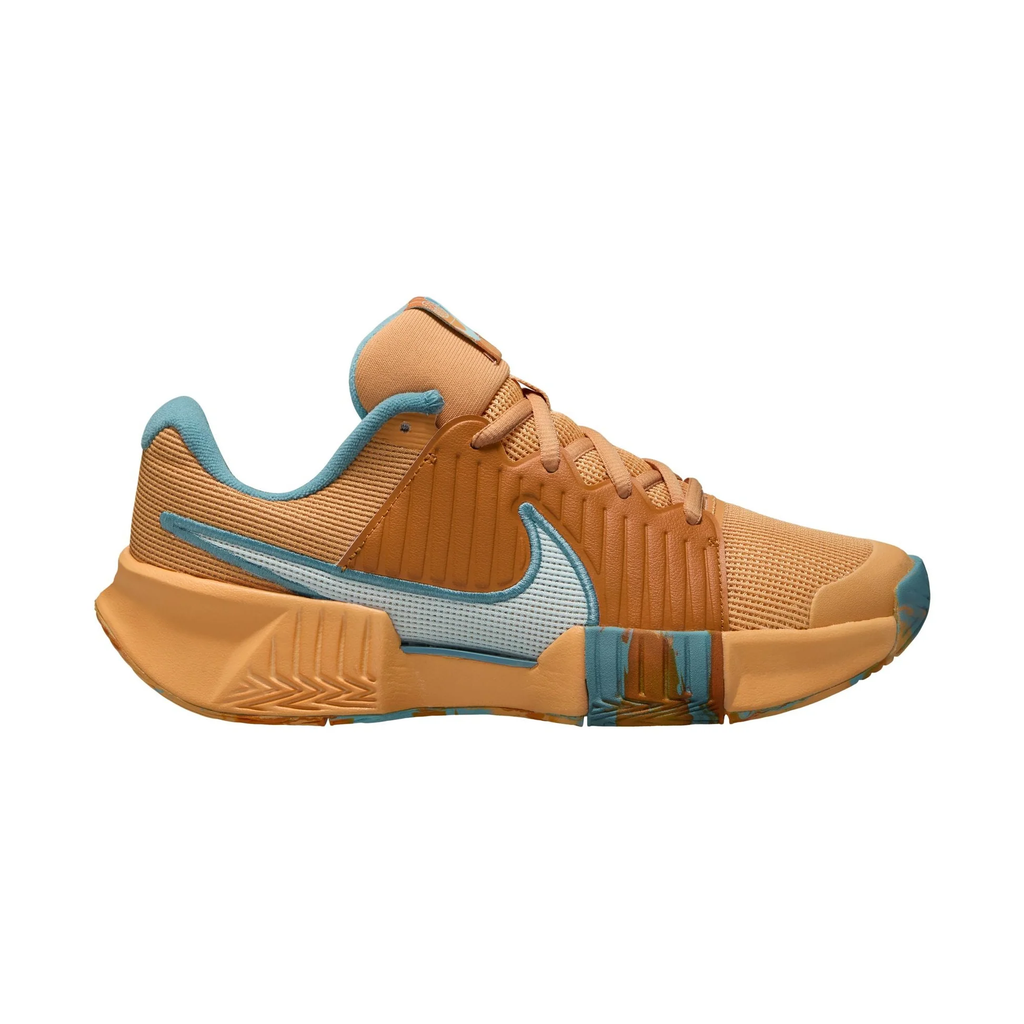
Best for: players who like Nike’s responsive basketball/tennis-style cushioning.
Nike’s court shoes tend to offer a springier and more athletic sensation than traditional heavy stability shoes.
The Zoom Challenge has also appeared in 2026 women’s pickleball testing as a strong option for players prioritizing speed. Pickleball US
Pros
- Responsive cushioning
Good lateral structure
Sporty fit
Attractive crossover for tennis players
Fast-feeling rather than bulky
Cons
- Fit can be more particular than shoes from brands offering multiple widths. Wide-footed players should try them on before committing whenever possible.
Verdict
A strong choice for someone who wants a modern, responsive performance shoe rather than a traditional heavy court shoe.
6. adidas Barricade — Best for Maximum Stability
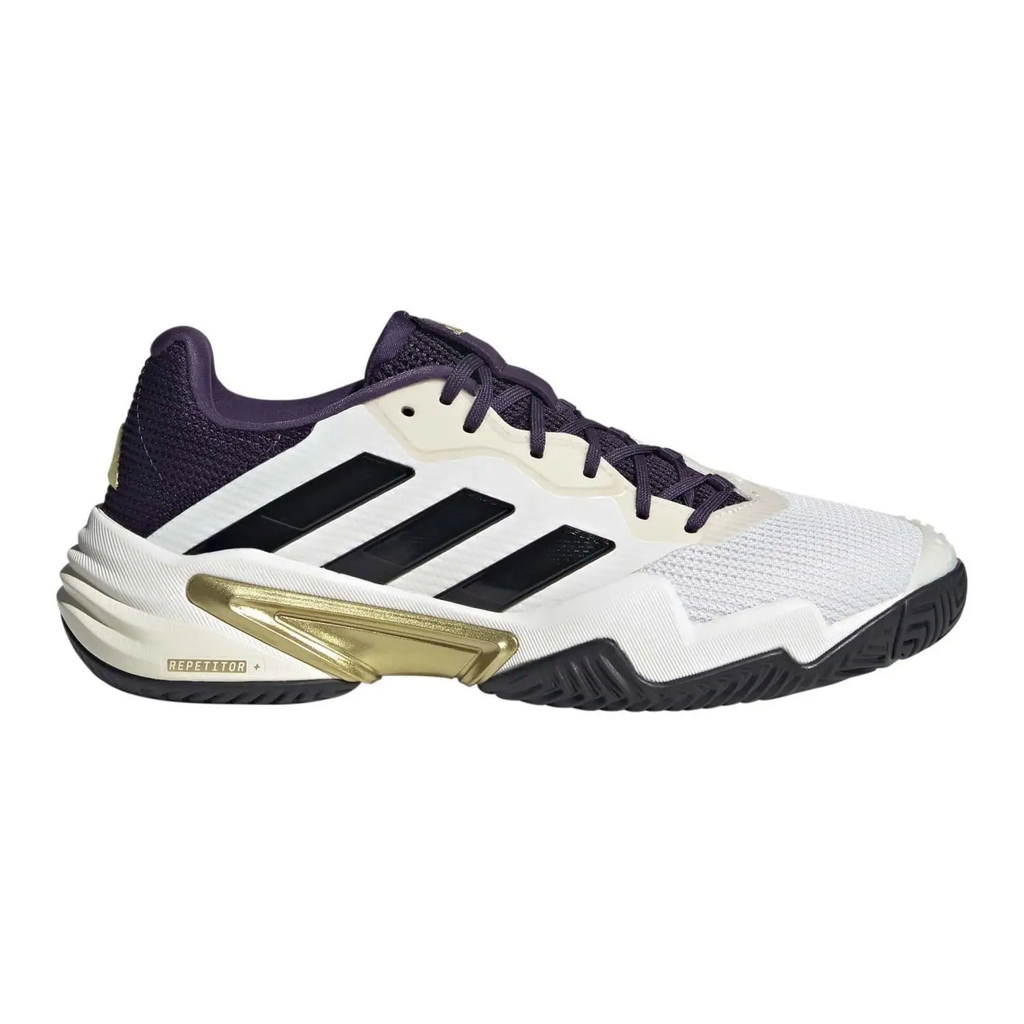
Best for: aggressive players who want maximum support.
The Barricade family comes from tennis rather than pickleball specifically, but tennis and pickleball place many similar demands on footwear: lateral cuts, abrupt stops, and rotational movement.
The Barricade’s defining characteristic is stability.
Pros
- Excellent lateral support
Secure foot lockdown
Durable construction
Very good for aggressive movement
Suitable for outdoor hard courts
Cons
- It feels heavier and more substantial than shoes like the Babolat Jet Mach 3.
Players who primarily stand at the kitchen line and value lightness may find it more shoe than they need.
Verdict
A great option for women who say: “I’d rather have more support than less.”
Which women’s pickleball shoe should you buy?
A simpler way to choose is by your priority:
For most players: ASICS GEL-RENMA 2.
For maximum comfort: Skechers Viper Court Pro 2.0.
For wide feet: start with K-Swiss or Skechers; New Balance is another brand worth considering because it offers several width configurations on certain pickleball models. Current 2026 research found New Balance and K-Swiss particularly strong for women’s width availability. gearscouted.com
For narrow feet: Babolat Jet Mach 3.
For fast footwork: Babolat Jet Mach 3 or Nike Zoom Challenge.
For maximum stability: adidas Barricade.
For beginners: ASICS GEL-RENMA 2 or K-Swiss Express Light.
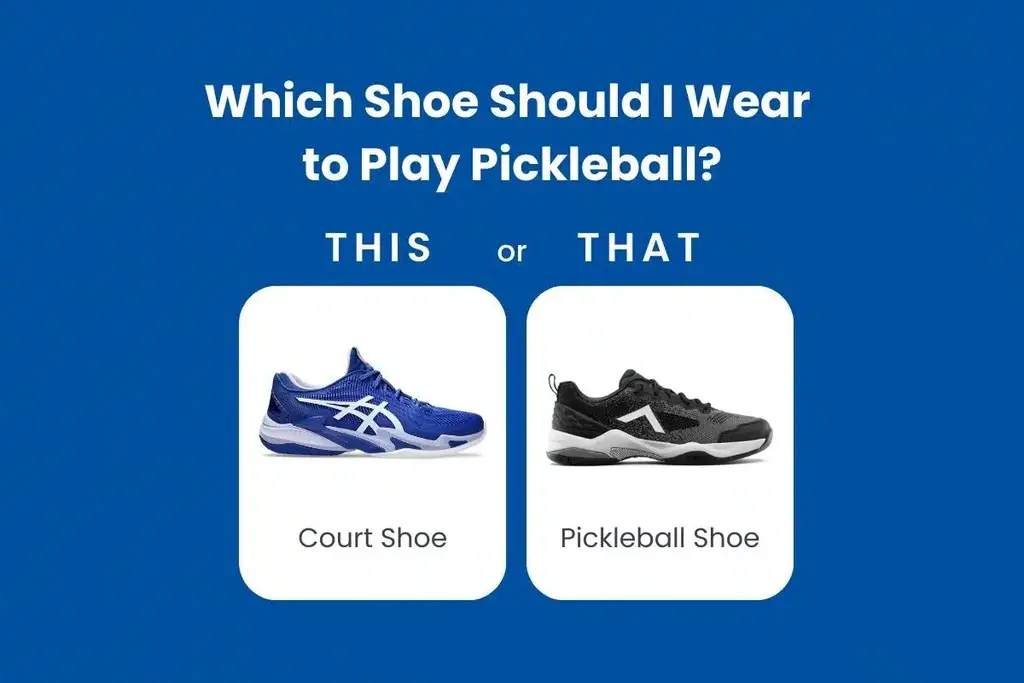
Pickleball shoes vs. running shoes
This is probably the most important thing to understand when shopping.
A running shoe primarily needs to accommodate movement like:
forward → forward → forward
Pickleball repeatedly requires:
left → stop → right → pivot → forward → stop → lateral push
Because of that, a proper court shoe generally has a wider and more laterally stable platform, stronger support around the sides of the shoe, and an outsole designed for multidirectional court traction.
ASICS describes its pickleball footwear specifically around multidirectional movement, stability, pivoting and traction rather than straight-line running mechanics.
So although you can walk onto a pickleball court wearing running shoes, regular runners would not be my first choice for repeated play.
How should women’s pickleball shoes fit?
You want the heel and midfoot to feel secure without crushing the foot.
There should still be some space in front of your longest toe because your foot shifts forward when stopping aggressively.
The important test isn’t just walking around a store.
Try this:
- Move laterally several times.
- Perform a quick stop.
- Push hard off the outside edge of each foot.
- Check whether your heel lifts.
- Check whether your forefoot slides sideways inside the shoe.
If your foot is moving around substantially inside the shoe, the shoe is too loose—even if it feels comfortable while standing still.
Best shoes for wide feet
Wide feet are one of the biggest reasons women struggle with court shoes.
Don’t simply size up one full size to create extra width. That can increase heel movement and reduce lateral security.
Instead, look for actual wide options.
Current 2026 market research found particularly broad width availability from New Balance, while K-Swiss’s Express Light Pickleball 2 also has dedicated wide offerings.
Skechers is another practical brand to investigate if conventional performance shoes feel restrictive.
Indoor vs. outdoor pickleball shoes
Outdoor hard courts
Prioritize:
- durable rubber
- reinforced toe area
- lateral stability
- abrasion resistance
Hard concrete or acrylic surfaces can destroy soft outsoles surprisingly quickly.
Indoor courts
Prioritize:
- reliable traction
- flexibility
- lighter weight
- non-marking outsole
You generally don’t need quite as much abrasion resistance as you do outdoors.
Playing both?
Choose a durable all-court shoe.
The ASICS GEL-RENMA, Skechers Viper Court Pro, K-Swiss Express Light and many tennis-oriented court shoes work well as multi-surface options.
Cushioning vs. court feel
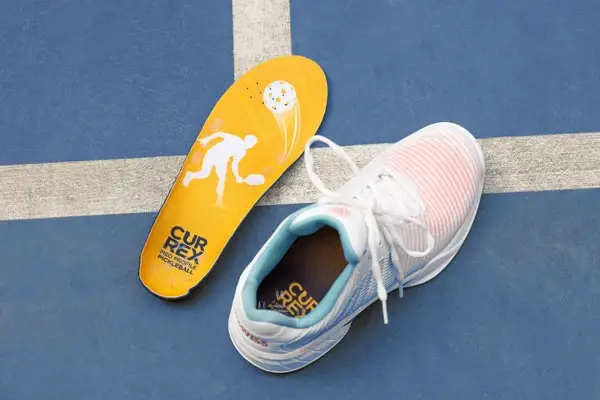
More cushioning isn’t automatically better.
Heavy cushioning can be pleasant during long sessions, but some competitive players prefer a lower shoe because it lets them feel connected to the court.
Think of the spectrum like this:
Plush
Skechers → ASICS → K-Swiss → Nike → Babolat
More direct court feel
That’s a general feel comparison rather than an absolute ranking; fit and model revisions can change the experience considerably.
How long should pickleball shoes last?
There isn’t one reliable mileage number because outsole wear depends heavily on:
- playing frequency
- body weight
- court surface
- footwork
- whether you drag your toes
- indoor vs. outdoor play
Outdoor courts are particularly abrasive.
Rather than relying on age alone, inspect the outsole. If the tread under your main push-off areas has become smooth or you’re noticeably sliding during direction changes, it’s usually time to replace the shoe.
READ ALSO: Best Pickleball Shoes | Indoor | Outdoor | Men’s & Women’s Shoes

Harry is a freak who often argues that O in his name may well stand for “Obsessed with Pickleball.”
- Best pickleball shoes for women - September 25, 2026
- Why Pickleball Players Forget the Score? - September 1, 2026
- What Equipment is Needed to Play Pickleball? - August 3, 2026